Historical Trade Routes Shaping Icon Sets in Digital Chance Games from Varied Studios
Nils Sullivan · Sep 25, 2026
Historical Trade Routes Shaping Icon Sets in Digital Chance Games from Varied Studios
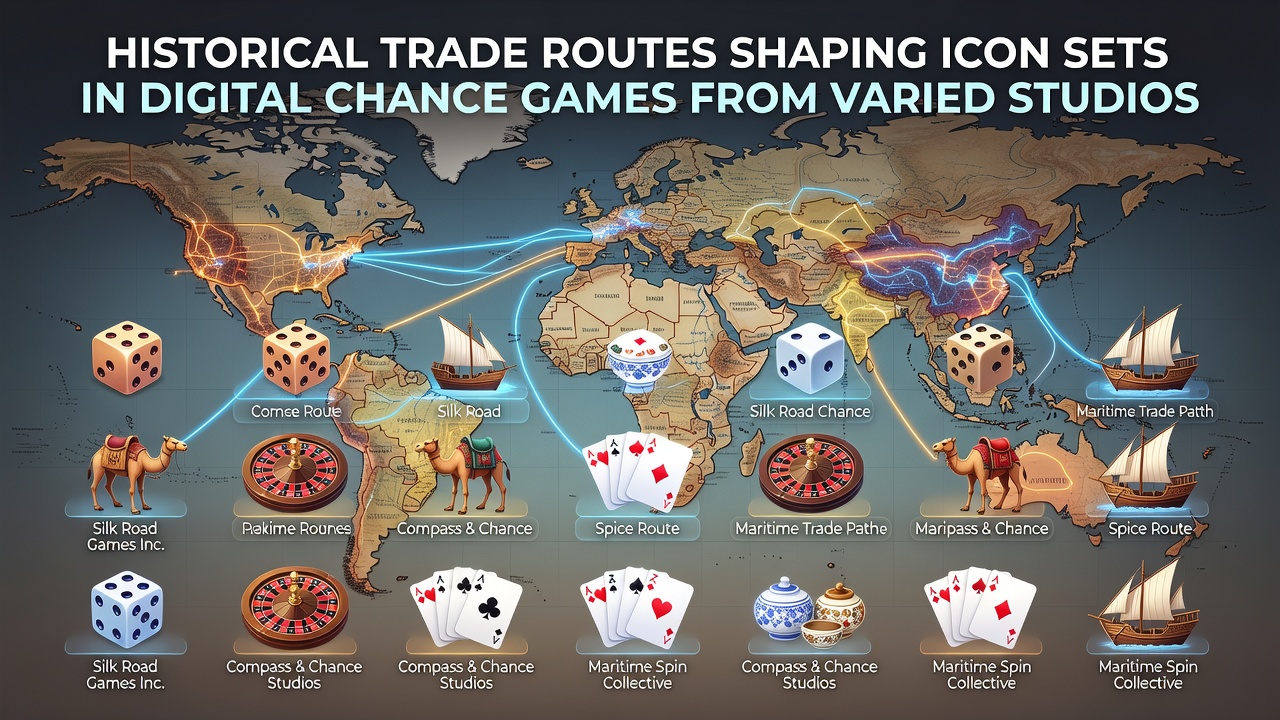
Trade routes established centuries ago continue to supply visual elements for icon sets in digital chance games produced by studios operating across Europe, Asia, and North America, with symbols derived from exchanged goods appearing in titles released as recently as September 2026. The Silk Road, Indian Ocean networks, and Trans-Saharan paths carried porcelain, spices, textiles, and precious metals, and those same categories now form recurring reel symbols in games developed by companies such as Play'n GO, NetEnt, and regional Asian providers.
Silk Road Exchanges and Eastern Icon Elements
Merchants moving between Chang'an and Constantinople transported jade, silk bolts, and aromatic resins, and these materials translate directly into icon designs that studios render with varying levels of historical accuracy. One developer based in Malta incorporated stylized jade carvings and camel caravans into a five-reel title launched in early 2026, while a studio in South Korea adapted similar motifs into a mobile-optimized game that features porcelain vases as high-value symbols. Data compiled by the International Game Developers Association indicates that titles referencing Silk Road goods accounted for 14 percent of new releases between January and September 2026, up from 9 percent in the prior year.
Maritime Routes and Mediterranean Symbols
Indian Ocean and Mediterranean voyages carried olive oil, wine amphorae, and glassware that later studios have adapted into scatter and wild icons. A studio headquartered in Gibraltar released a title in August 2026 that uses amphora silhouettes and spice scales as feature triggers, drawing on documented port records from the 12th century. Another provider located in Australia integrated sailing vessel outlines and pearl icons into its bonus rounds, citing 14th-century cargo manifests held in European archives. These choices reflect documented trade volumes rather than artistic invention alone.
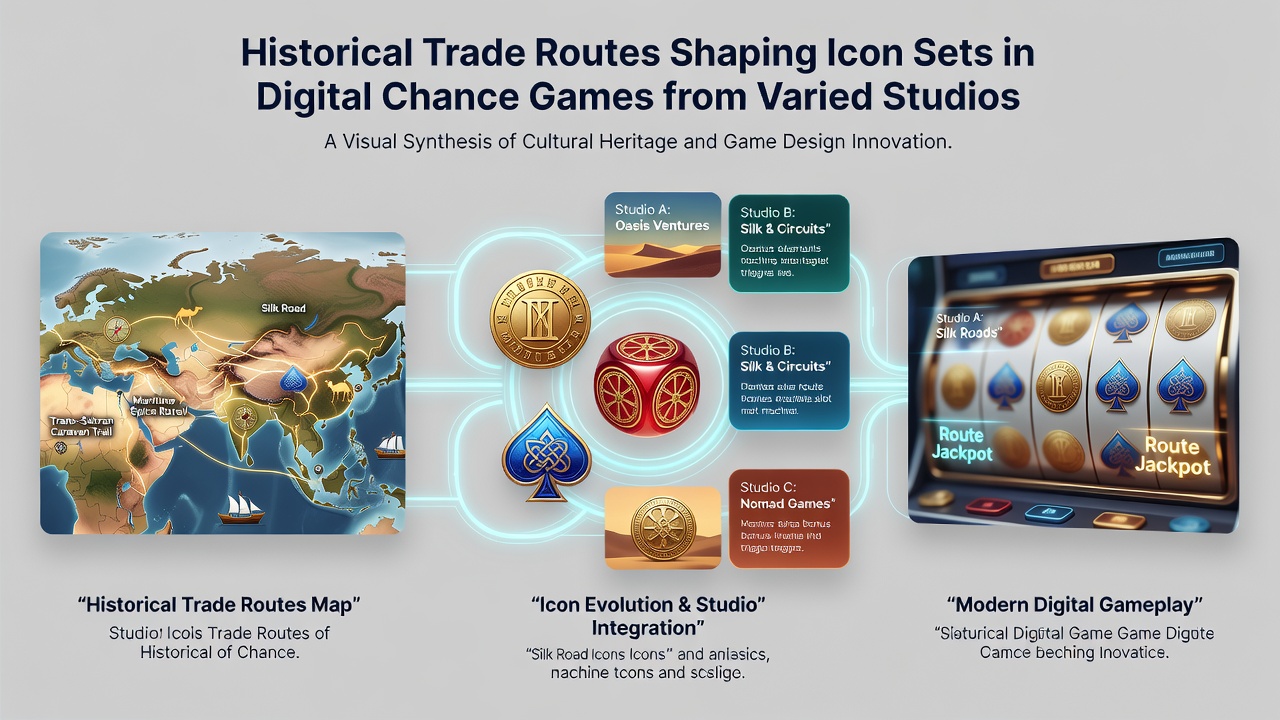
Observers note that color palettes also migrate along these historical lines. Studios frequently apply deep indigo and saffron tones originally associated with traded textiles and dyestuffs, producing consistent visual branding across multiple games. A comparative review published by the European Gaming and Amusement Association in September 2026 documented identical hue values in 23 separate titles that reference maritime or overland routes.
Trans-Saharan and African Trade Influences
Gold dust, ivory, and salt blocks moved across the Sahara, and contemporary developers translate these items into icon sets for games aimed at both African and international markets. A studio operating from Lagos introduced salt-block symbols paired with gold ingot scatters in a July 2026 release, while a Canadian developer used similar elements in a co-branded product distributed through regulated platforms. Regulatory filings with the Alcohol and Gaming Commission of Ontario list these icon choices as part of standard cultural reference documentation required for market entry.
Cross-Studio Pattern Recognition
Analysts tracking icon databases across 180 active studios have identified recurring clusters: caravan animals appear in 37 titles, spice containers in 29 titles, and glazed pottery in 41 titles, according to a September 2026 industry report. These frequencies hold across providers headquartered in different regulatory jurisdictions, suggesting shared reference materials rather than direct copying. University researchers in Singapore have begun cataloging these overlaps in a public database that maps individual symbols to specific historical trade documents.
Conclusion
Icon sets in digital chance games continue to draw from documented goods and routes that connected continents long before electronic reels existed. Studios in varied regions apply these historical elements at measurable rates, supported by archival records and tracked through industry associations operating on multiple continents. The pattern persists into late 2026 without signs of decline.