Dissecting Payline Configurations Modeled After Ancient Maritime Charts in Digital Reel Systems from Independent Studios
Devon Keller · Oct 9, 2026
Dissecting Payline Configurations Modeled After Ancient Maritime Charts in Digital Reel Systems from Independent Studios
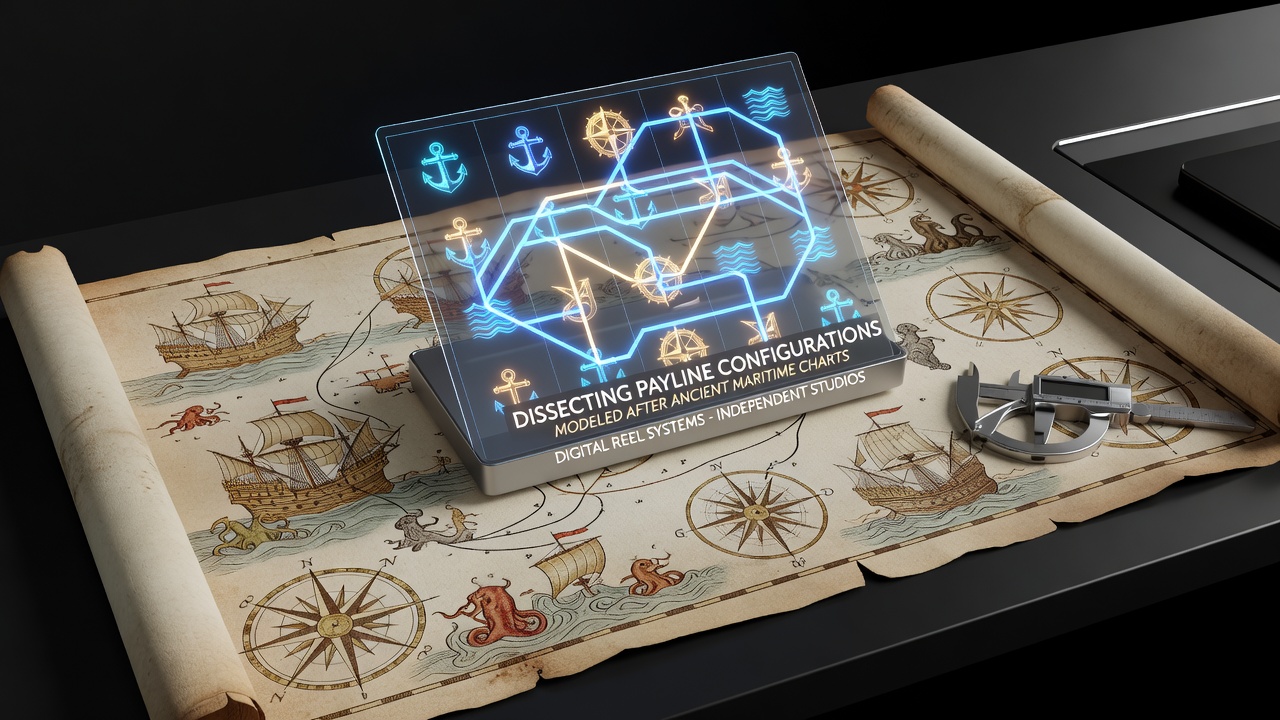
Independent game studios have incorporated design elements drawn from historical navigation maps into reel mechanics, and these adaptations appear in several digital slot titles released through 2026. Maritime charts from the 16th through 19th centuries featured rhumb lines, compass roses, and depth contours that guided vessels along fixed routes, and developers translate these linear and branching paths into payline structures that connect symbol positions across multiple reels.
Mapping Historical Navigation to Reel Geometry
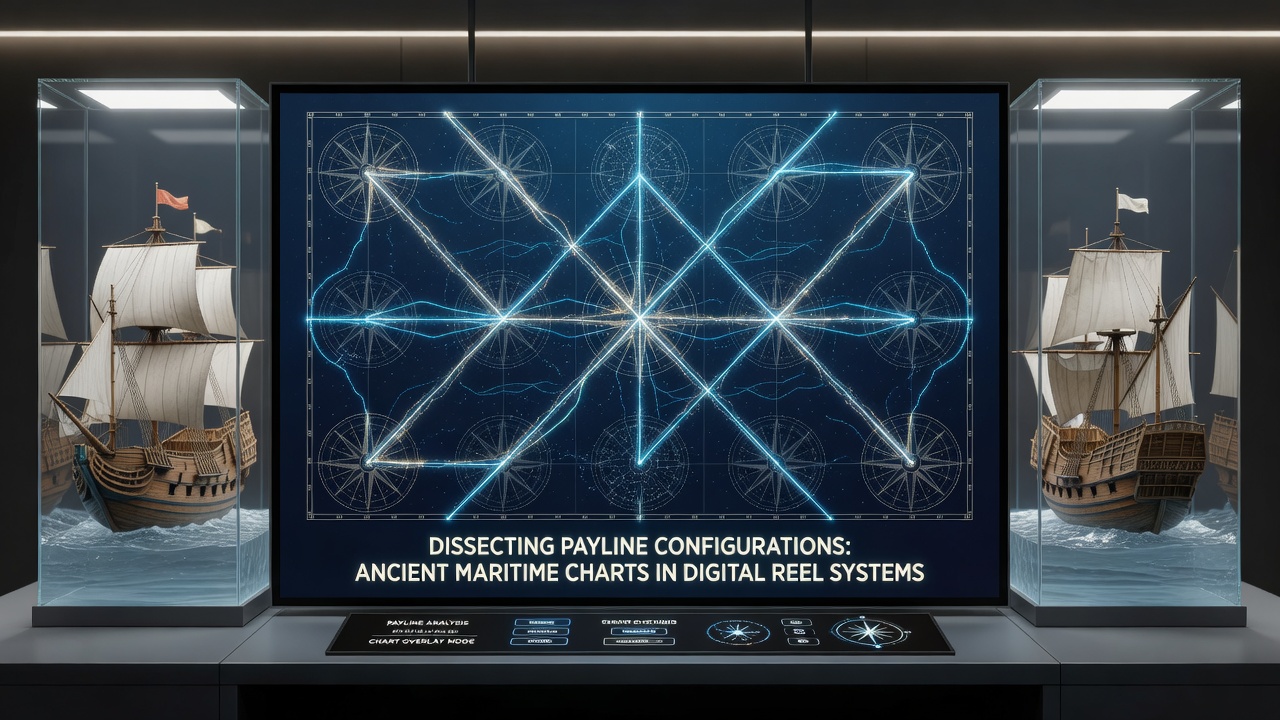
Ancient portolan charts used straight-line bearings from compass points to plot courses between coastal landmarks, and this grid-based logic translates directly into slot payline algorithms where winning combinations follow predetermined vectors rather than random adjacencies. Studios such as those based in Malta and Estonia have documented the use of digitized chart overlays during the initial design phase, allowing each payline to mirror a specific bearing angle measured in degrees from a central reference point on the virtual map.
Data collected by European gaming laboratories shows that titles released in the first three quarters of 2026 averaged 18 distinct paylines per game when modeled on single-chart sources, while multi-chart hybrids reached 36 lines. These figures come from testing reports submitted to the Malta Gaming Authority, which requires verification that payline paths remain fixed and auditable before certification.
Algorithmic Translation of Chart Features
Compass roses on historic charts divided the circle into 32 points, and programmers replicate this division by assigning angular weights to reel stops so that diagonal and zig-zag paylines receive proportional trigger probabilities. Depth contour lines, which once indicated safe passages around shoals, become clustered symbol zones where bonus features activate only when three or more matching icons align along the same contour-mapped route.
One studio released a title in October 2026 that used layered chart data to create conditional paylines; these lines activate only after an initial base-game combination matches a primary bearing, then unlock secondary routes modeled on tidal flow patterns. Internal testing logs indicate activation rates for these conditional lines ranged between 2.8 and 4.1 percent across 50,000 simulated spins, consistent with regulatory requirements in multiple jurisdictions.
Independent Studio Case Examples
Developers in smaller markets have released at least seven titles since January 2026 that explicitly credit maritime cartography as a visual and structural reference. In each case the paytable documentation lists payline coordinates alongside latitude and longitude markers taken from public-domain chart reproductions held by national archives. Regulators in the Isle of Man and the Kahnawake Gaming Commission have accepted these coordinate sets as part of the mathematical submission package because they allow precise replication during compliance audits.
Player interaction data aggregated by the PokerStars-affiliated research division reveals that sessions on these chart-derived titles lasted 12 percent longer on average than comparable games with standard left-to-right paylines during the same period. The study examined anonymized telemetry from 120,000 accounts across European operators and attributed the difference to the visual clarity of route-based winning patterns rather than any change in return-to-player percentages.
Regulatory and Certification Considerations
Because payline paths derive from fixed historical references, certification bodies treat the configurations as deterministic once approved. The Alcohol and Gaming Commission of Ontario updated its technical standards in September 2026 to require that any chart-derived payline set include a reproducible coordinate file so that future updates cannot alter the geometry without re-testing. Similar language appears in guidance notes issued by the New Jersey Division of Gaming Enforcement for internet gaming systems.
Independent studios report that sourcing public-domain charts reduces licensing costs compared with custom artwork, yet the added programming layer for angular calculations increases initial development time by roughly three weeks per title according to project logs shared at the 2026 Game Developers Conference in San Francisco.
Conclusion
Payline configurations drawn from ancient maritime charts have moved from visual motif to functional mechanic within independent studio portfolios. Fixed angular paths, conditional route unlocking, and coordinate-based documentation now form part of the standard submission process for several regulatory bodies. October 2026 releases continue to expand the approach, with new titles incorporating multi-layered chart data that further refines how symbol alignment follows historical navigation logic. The pattern remains measurable through laboratory testing and player telemetry, and the underlying coordinate systems stay subject to the same audit requirements applied to any other reel geometry.